
Ankle sprains, balance and ankle instability
Physiotherapy may help you work toward walking, stairs and balance with a plan suited to the ankle injury and any restrictions. Home visits in Toronto and select GTA communities.
Book a Free Call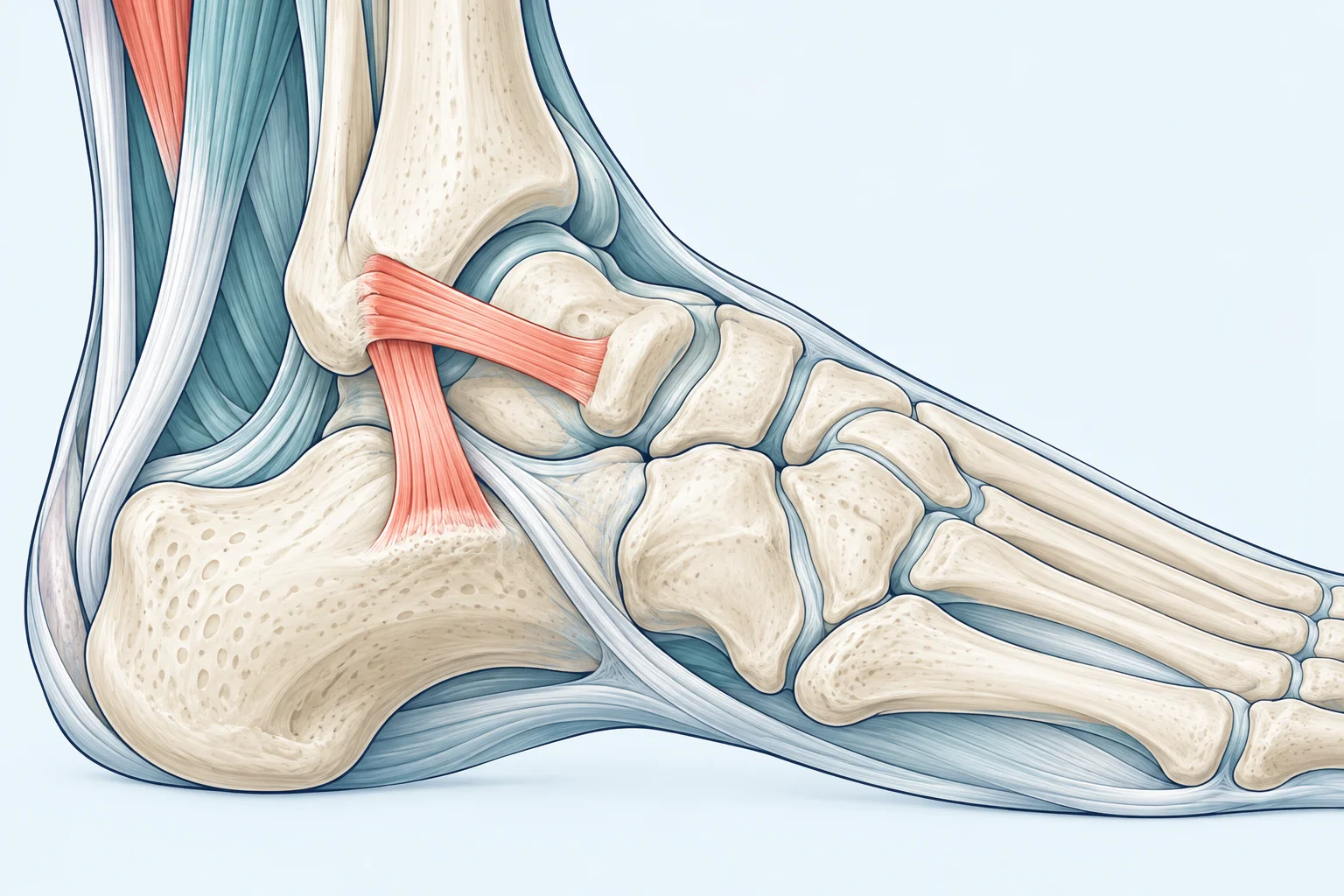
What an ankle sprain involves
An ankle sprain is an injury to one or more ligaments around the ankle. A common lateral sprain affects ligaments on the outside, but not every twist is a simple lateral sprain. A fracture, high-ankle (syndesmotic) injury, tendon injury or another condition can have similar symptoms and may need different care.
The injury may involve more than a lateral ligament sprain. A clinician can assess severity and consider fracture, high-ankle injury or tendon involvement before planning rehabilitation.
Recovery and return to movement
Recovery depends on the injury and the person. Swelling, walking, balance and confidence may change at different rates. There is no guaranteed timeline or universal return-to-activity test from this page. Follow-up can review safe walking, stairs and specific work or sport goals, then adjust loading or recommend medical assessment.
Avoid making a sudden increase in activity simply because one movement feels better. If pain, swelling, instability or walking changes, reassessment can guide the plan. Keep the treating medical clinician informed if you were evaluated for a fracture, syndesmotic injury or tendon rupture.
Symptoms and walking limitations
Pain, swelling, bruising, stiffness or a feeling that the ankle may give way can follow an injury. You may have trouble standing, walking, using stairs, turning or walking on uneven ground. The amount of swelling or pain does not provide a complete diagnosis, and significant inability to bear weight after injury deserves assessment.
Tell the clinician how the ankle twisted, where pain is located, how soon swelling appeared, whether you heard or felt a pop, and whether you can take steps. Pain above the ankle, tenderness over bone, a sense of instability or symptoms along a tendon may affect the next step.
Injury severity and individual factors
Sprains differ in the tissues involved and the amount of functional change. Previous ankle injuries, balance, work or sport demands, other health conditions and the ability to protect the ankle are relevant. No single brace, exercise or return-to-sport rule applies to every injury.
A clinician may consider whether a brace or other support is appropriate, but that is a choice based on examination and task demands. A severe sprain, suspected fracture, high-ankle injury or tendon rupture needs medical review rather than an assumption that full weight-bearing exercise is safe.
How individualized physiotherapy may help
An assessment may include the injury story, swelling and bruising, safe weight-bearing, ankle movement, strength, balance and walking. Screening helps identify signs that merit medical imaging or referral. We would follow any emergency, fracture or surgical restrictions and avoid progressing a test that is unsafe or too painful.
When rehabilitation is suitable, care may include education, a severity-appropriate plan for movement and loading, strengthening, balance practice and gradual return to daily tasks or sport. The timing and progression depend on symptoms and findings. A brace may be one option for selected activities, not a universal requirement or replacement for assessment.
What an ankle home visit can include
At home, we can consider indoor walking, stairs, standing tasks or a safe balance exercise in the available space. If you are using a prescribed support or walking aid, the visit can respect your instructions and discuss how it fits daily movement. A visit does not imply that every task or surface is safe to test.
A virtual visit may be suitable for some follow-up questions if you are physically in Ontario during the appointment.
When medical review is needed
Seek prompt medical assessment if you cannot bear weight after the injury, have significant bone tenderness, severe swelling, deformity, an open wound, numbness, a cold or discoloured foot, or pain high above the ankle. A suspected fracture, syndesmosis injury or tendon rupture needs evaluation before ordinary sprain exercises.
A serious injury, loss of circulation or rapidly worsening symptoms may require urgent or emergency care. A free call to the practice is only for booking and service logistics; it is not a medical triage service.
Questions about ankle sprains and ankle instability
Should I walk on an ankle sprain right away?
Not everyone should bear full weight immediately. Severity and fracture or other injury screening matter; follow medical instructions and individualized assessment.
Will I need an ankle brace?
A brace may be considered for some injuries or activities, but it is not a universal requirement. Choice and duration depend on assessment and medical advice.
Could a high-ankle sprain feel like a regular sprain?
Some symptoms can overlap. Pain above the ankle or other concerning findings need assessment for syndesmotic injury and may change rehabilitation.
Can physiotherapy include balance work?
When safe and appropriate, an individualized plan may include balance practice and progressive strength or movement work.
When should I get an X-ray or medical review?
A clinician can apply fracture-screening criteria. Inability to bear weight, bone tenderness, deformity, major swelling or altered circulation/sensation needs prompt review.
Further information
Discuss service fit and next steps
The free call covers area, availability, fees and booking. It is not an assessment, diagnosis or treatment session.