
Shoulder instability and a feeling of slipping
After appropriate medical assessment, physiotherapy may help you work on dressing and reaching through gradual strength and movement practice within your restrictions. Home visits in Toronto and select GTA communities.
Book a Free Call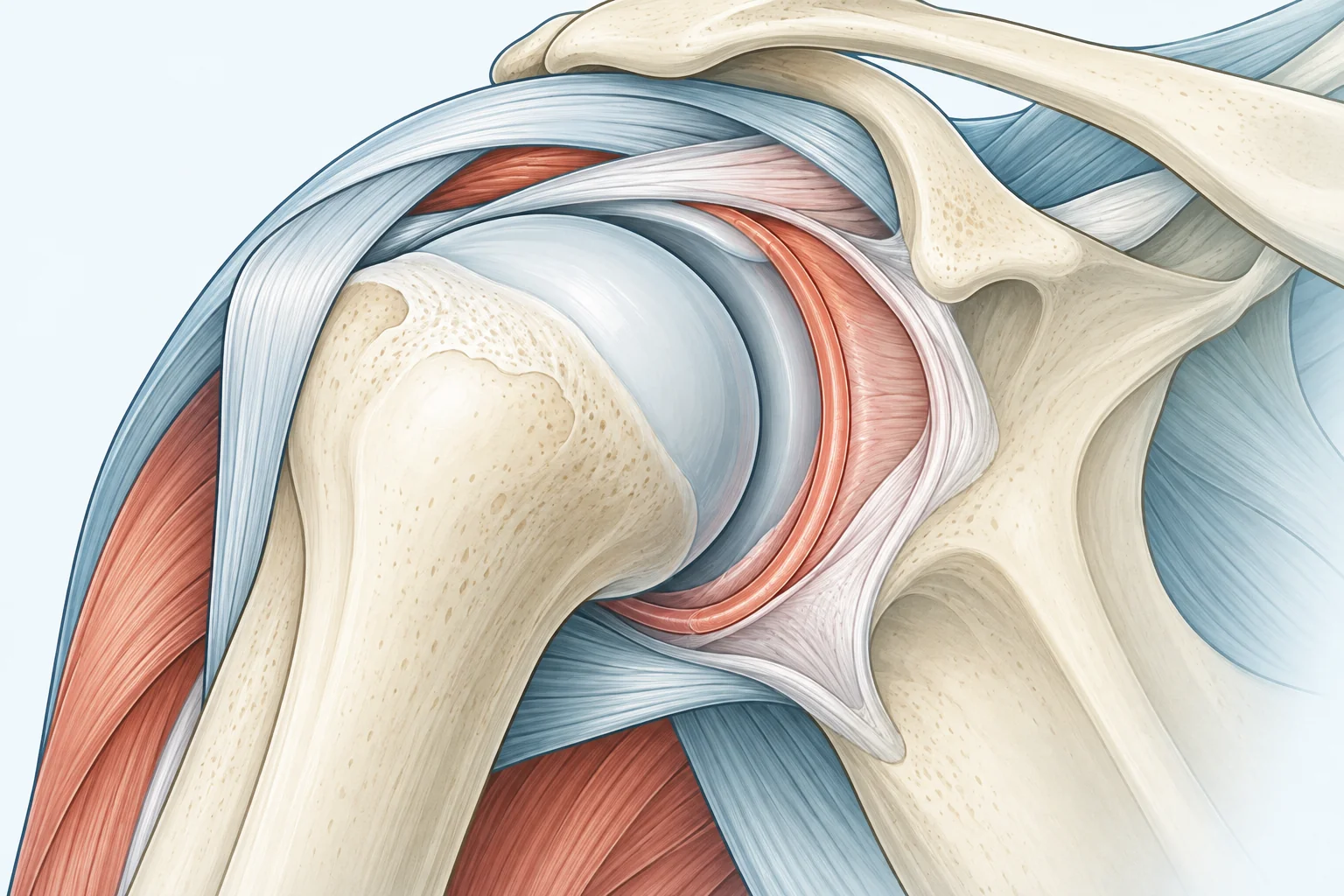
What shoulder instability can mean
Shoulder instability describes symptoms such as a feeling that the joint may slip, partially move out or dislocate. It can follow trauma or develop without one major injury. Recurrent dislocation and apprehension with certain movements are different from harmless clicking that is not painful or limiting.
A physiotherapist does not determine the cause from the word “loose” alone. Assessment considers the injury history, direction and frequency of symptoms, function, prior imaging or treatment and whether medical or specialist review is needed.
Recovery and next steps
Recovery depends on the injury, recurrence, medical advice and your response to rehabilitation. There is no universal timeline or guarantee that exercise alone will prevent another episode. Follow-up can review confidence and function while respecting any plan from an emergency clinician, surgeon or specialist.
If slipping becomes more frequent, movement decreases or pain changes, contact an appropriate clinician. Do not try to reposition a dislocated shoulder yourself or use an online exercise as a substitute for medical care.
Symptoms and daily activities
You may feel apprehension when reaching overhead, putting on a coat, moving the arm behind you or taking weight through the arm. Some people avoid positions where the shoulder has previously slipped. Pain, weakness or limited movement can occur, but symptoms vary.
Tell us if the shoulder fully dislocated, whether it was reduced by a medical professional, and what restrictions you were given. A new injury, visible change in shape, severe pain or altered sensation requires prompt medical assessment before exercise.
Different patterns and contributing factors
A traumatic episode may injure structures that help stabilize the joint. Other people experience repeated slipping or apprehension without a clear traumatic event. Previous dislocations, activity demands, connective-tissue factors and other health considerations may shape assessment.
Clicking alone does not establish instability, and not every person with instability needs surgery. However, some injuries or recurrent episodes need specialist assessment. The right next step depends on the pattern, examination, imaging when indicated and the person’s goals.
How individualized physiotherapy may help
An assessment may review the injury history, comfortable movement, strength, function and any referral or surgical instructions. We would avoid provoking a dislocation to demonstrate the problem. If there are signs of an acute injury or a need for medical review, that takes priority.
When rehabilitation is appropriate, a plan may include education, gradual strength and control work, and careful practice of relevant tasks. Progression is individualized and respects any post-dislocation or post-surgical restrictions. Some presentations need specialist input; physiotherapy is not a substitute for that review.
What a home visit can address
At home, an appointment may consider dressing, reaching to a shelf, grooming or another daily activity that you want to manage. We can choose a safe range and use ordinary surroundings without testing a position that could make the shoulder slip.
A virtual appointment may be suitable for some follow-up when the patient is physically in Ontario.
When urgent assessment is needed
A suspected shoulder dislocation, visible deformity or sudden severe shoulder pain needs emergency assessment. A cold, pale or numb hand, new weakness or loss of sensation after an injury also requires emergency care. Do not attempt self-reduction.
After an emergency visit, follow the instructions you were given and arrange any recommended review. A free call with the practice is non-clinical and covers fit, location, availability, fees and booking; it is not for urgent assessment.
Questions about shoulder instability
Does shoulder clicking mean it is unstable?
Not by itself. Clicking can occur without instability. A slipping sensation, apprehension or a history of dislocation needs assessment in context.
Can physiotherapy help after a dislocation?
It may be part of rehabilitation when appropriate, but first follow medical assessment and any movement restrictions. Some injuries need specialist review.
Should I try to put a dislocated shoulder back myself?
No. Do not attempt self-reduction. A suspected dislocation needs emergency assessment.
Can exercise prevent another dislocation?
No exercise plan can guarantee that. A clinician can discuss individualized rehabilitation after considering the injury and medical advice.
Can I have home physiotherapy for shoulder instability?
A home visit may be suitable after appropriate medical assessment and once the next steps are clear. Address availability and access also need confirmation.
Further information
Discuss service fit and next steps
The free call covers area, availability, fees and booking. It is not an assessment, diagnosis or treatment session.