
Hip and groin pain with movement
Physiotherapy may help you work on walking, stairs and chair transfers through an individualized assessment and activity plan. Home visits in Toronto and select GTA communities.
Book a Free Call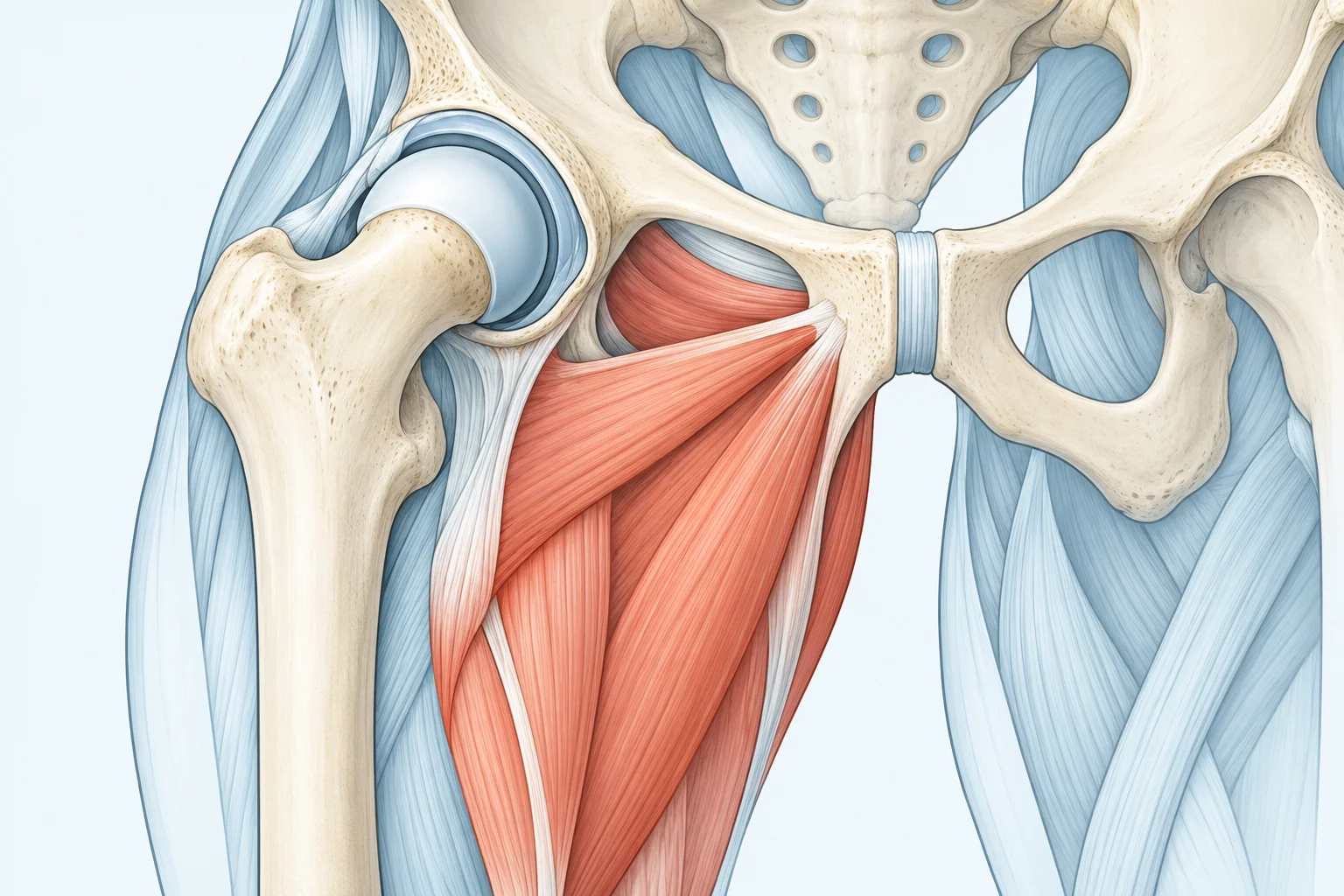
What hip and groin symptoms can mean
The hip and groin include joints, muscles, tendons, bones and nearby pelvic structures. Pain may be felt in the groin, outside of the hip, buttock or thigh; location does not prove a diagnosis.
FAI, labral changes and adductor problems are not automatic explanations. Hip or groin symptoms can have other musculoskeletal or medical causes, so the assessment considers your health and symptom pattern.
Recovery and activity planning
Hip symptoms vary with the underlying issue, health and activity. No fixed timeline or outcome can be promised. Follow-up reviews walking, stairs, transfers and goals, then adjusts activity; unexpected changes may call for reassessment.
If a physician or surgeon has given weight-bearing or movement restrictions, those instructions take precedence. A gradual return to activity should be individualized; a website cannot tell you when a particular sport or exercise is safe.
How symptoms may affect everyday function
Walking, stairs, rising from a chair, getting into a car, putting on socks or standing for a meal may be harder. Stiffness or activity-related pain does not identify tissue damage.
Assessment considers onset, activity changes, injury, weight-bearing, fever and other concerns. Groin symptoms can have non-musculoskeletal causes, so history matters before exercise planning.
Factors that can shape hip or groin pain
Changes in walking, running, lifting, sport or work may influence symptoms. Prior injury, joint disease, bone health or other conditions may also matter; none proves one activity or structure is responsible.
Strength, mobility and movement can be assessed as parts of function, but there is no single alignment or weakness explanation for all hip pain. A physiotherapist considers what you can do, what you want to do and whether medical assessment is needed first.
How individualized physiotherapy may help
An assessment may include health and injury history, walking, comfortable hip movement, strength and tasks such as stairs or a chair transfer. We would ask whether you can bear weight, whether symptoms followed trauma, and whether there are systemic or pelvic symptoms. If the pattern suggests a condition outside physiotherapy scope, medical assessment takes priority.
When appropriate, physiotherapy may include education, gradual strength or mobility work, activity planning and practice of tasks that matter to you. The exercise plan is selected for your assessment and adjusted as you respond. Manual therapy may be an optional adjunct for some people, not a necessary treatment or guarantee.
What a hip home visit can look at
A home visit may assess walking, stairs, chair transfers, dressing or another goal in your environment. We use available safe space and furniture; if a task or access is unsafe, we choose another approach.
Virtual care can be discussed when suitable; the patient must be physically in Ontario during the appointment.
When to seek medical assessment
Inability to bear weight, major trauma, fever with hip or groin pain, sudden severe pain, or feeling very unwell needs prompt medical assessment. Sudden severe testicular pain is an emergency and needs immediate assessment. Other new pelvic symptoms need medical review; seek emergency help for severe symptoms or rapid deterioration.
If you have a known fracture, recent surgery or specific restrictions, contact the clinician managing that condition before increasing activity. A complimentary practice call is about service fit and logistics, not a clinical assessment or urgent triage.
Questions about hip and groin pain
Does groin pain mean I have FAI or a labral tear?
No. These are possible diagnoses, not conclusions from pain location. Assessment considers other causes and whether medical review or imaging would change care.
Can hip pain affect stairs or getting out of a chair?
Yes, these tasks may be affected and can be discussed during an assessment. Practice is only included when it is safe and relevant to your goals.
Can I exercise if I have hip pain?
That depends on the cause, your health and how symptoms behave. A physiotherapist can help plan suitable movement after assessment; inability to bear weight or major trauma needs medical review first.
Can you assess me at home?
Home visits are regular in Toronto, including North York and Etobicoke, and Mississauga. Other listed areas depend on location and schedule; the specific address is confirmed before a visit.
When should I seek urgent care?
Inability to bear weight, major trauma, fever or sudden severe pain needs prompt assessment. Sudden severe testicular pain requires emergency assessment. Severe or rapidly worsening symptoms may also be an emergency.
Further information
Discuss service fit and next steps
The free call covers area, availability, fees and booking. It is not an assessment, diagnosis or treatment session.