
Lateral hip pain and gluteal tendon symptoms
Physiotherapy may help you adapt walking, stairs and sleeping positions through an individualized assessment and activity plan. Home visits in Toronto and select GTA communities.
Book a Free Call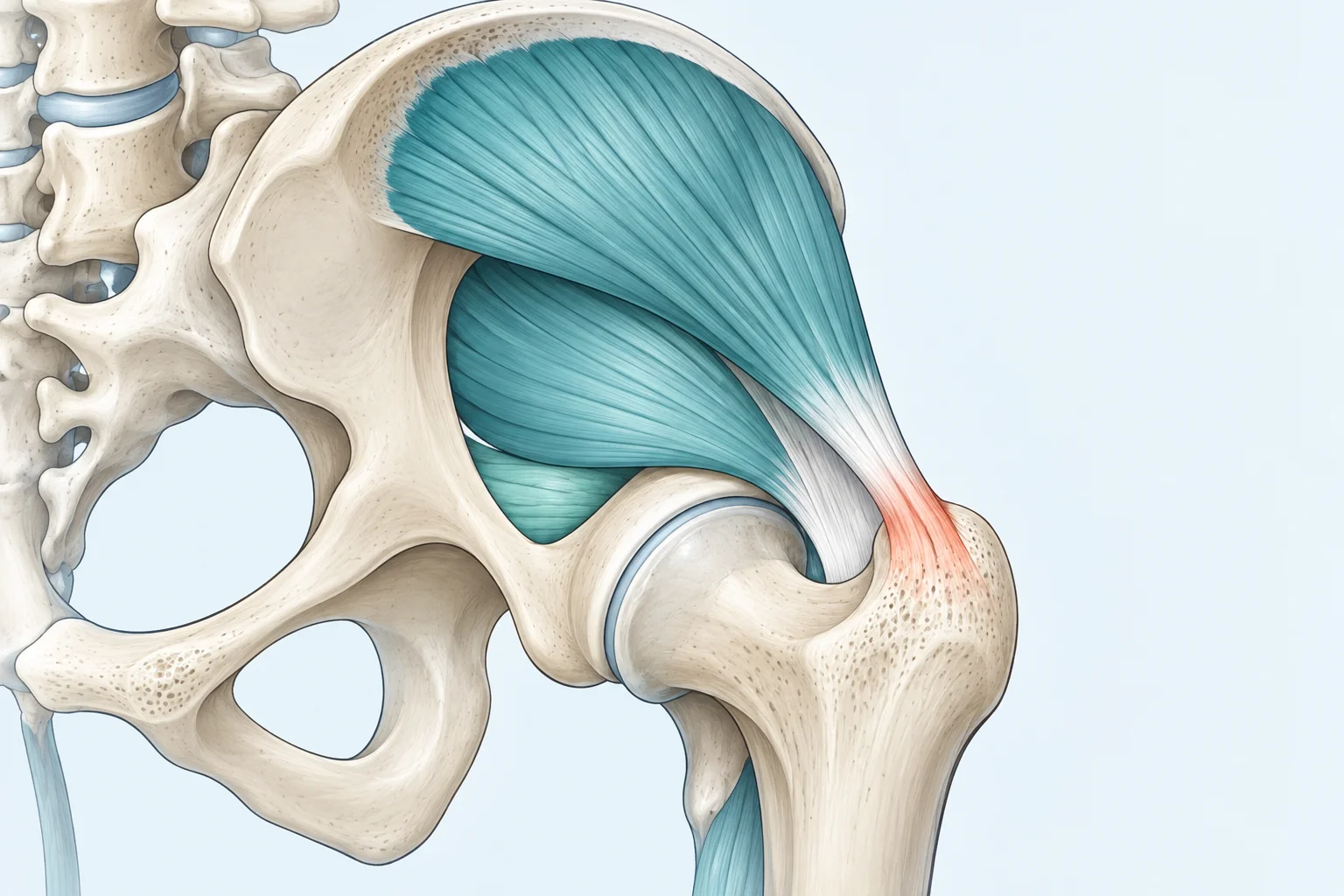
What lateral hip pain can mean
Lateral hip pain refers to discomfort around the outside of the hip, often near the bony area at the side. Gluteal tendinopathy may contribute for some people, but the symptom location alone cannot confirm a tendon condition or “bursitis.” Several nearby structures and health conditions can feel similar.
The location and pattern help guide assessment, but do not identify one cause by themselves. We would consider recent activity changes, other symptoms and how the hip affects your daily routine before discussing a plan.
What a home visit can address
At home, the assessment can consider your bed position, the stairs you use, walking routes and the height of a chair, when those are relevant and safe. We can discuss practical options using your own setting, without assuming that a particular piece of furniture or exercise equipment is needed.
A home, condo or retirement-residence visit also depends on safe access and your needs.
When to seek medical attention
After major trauma, inability to bear weight, fever with hip pain or sudden severe symptoms, seek prompt medical assessment. Do not wait for a physiotherapy call or try to determine the cause online.
New weakness, numbness, feeling seriously unwell or rapidly worsening symptoms also warrant medical advice. A free practice call is only for service fit, location, availability, fees and booking; it is not clinical triage.
Symptoms and everyday limitations
Discomfort may be noticeable with lying on the affected side, walking, standing on one leg, climbing stairs or getting up from a chair. Some people notice pain after sitting with the legs crossed or with pressure against the side of the hip. Symptoms and tolerance vary.
Tell us what positions or tasks affect you, when symptoms began, and whether they followed a fall or other injury. Pain that prevents weight-bearing, rapidly worsens or comes with fever needs medical attention rather than an exercise plan based on a website.
Factors that may affect the hip
Changes in walking, hills, stairs, exercise, work demands or sleep position may coincide with symptoms. Longer periods with the hip pressed inward or direct pressure while lying on the side may be uncomfortable for some people, but these factors do not prove tissue damage or one universal cause.
Hip joint, back, pelvic and other medical issues can also refer symptoms to this area. Assessment considers your health, movement, strength and symptom pattern before deciding whether gluteal tendon loading or another approach is suitable.
How individualized physiotherapy may help
An assessment may include your history, walking, hip movement, strength and tasks such as standing from a chair or using stairs. We would ask about falls, ability to bear weight, fever and other symptoms that could need medical review. A diagnosis is not made from the location of pain alone.
When physiotherapy is appropriate, care may include clear education, changes to positions that compress the area, and gradual strengthening or activity planning. Loading is tailored to your presentation and response. Stretching is not a universal solution and may be adjusted if it increases compression or discomfort.
Recovery and activity choices
Symptoms can change over time, and there is no guaranteed timeline or single progression. Follow-up can review sleep, walking, stairs and the activities you want to resume. The plan may be adjusted based on your response, health and other clinical advice.
Resting from every activity is not always needed, but pushing through a substantial flare is not a universal goal either. A physiotherapist can help find manageable activity and discuss when another medical opinion is appropriate.
Questions about lateral hip pain and gluteal tendinopathy
Does outer hip pain always mean bursitis?
No. Several structures and conditions can cause pain around the outside of the hip. A clinician considers your symptoms and examination before suggesting a cause.
Should I stretch the side of my hip?
Not automatically. Some positions may increase pressure around the hip. A clinician can help choose movement and activity that fit your symptoms.
Can sleeping on my side affect symptoms?
Pressure on the side of the hip may be uncomfortable for some people. Bed position and other options can be discussed during an assessment.
Can physiotherapy help me use stairs?
If suitable, a home visit may assess stairs and help plan individualized strength or activity practice.
When is lateral hip pain urgent?
Major trauma, inability to bear weight, fever, feeling seriously unwell or rapidly worsening symptoms need prompt medical assessment.
Further information
Discuss service fit and next steps
The free call covers area, availability, fees and booking. It is not an assessment, diagnosis or treatment session.