Shoulder pain and rotator cuff symptoms
Home physiotherapy may help you work on dressing, reaching or lifting through assessment and an individualized movement and strength plan. Home visits in Toronto and select GTA communities.
Book a Free Call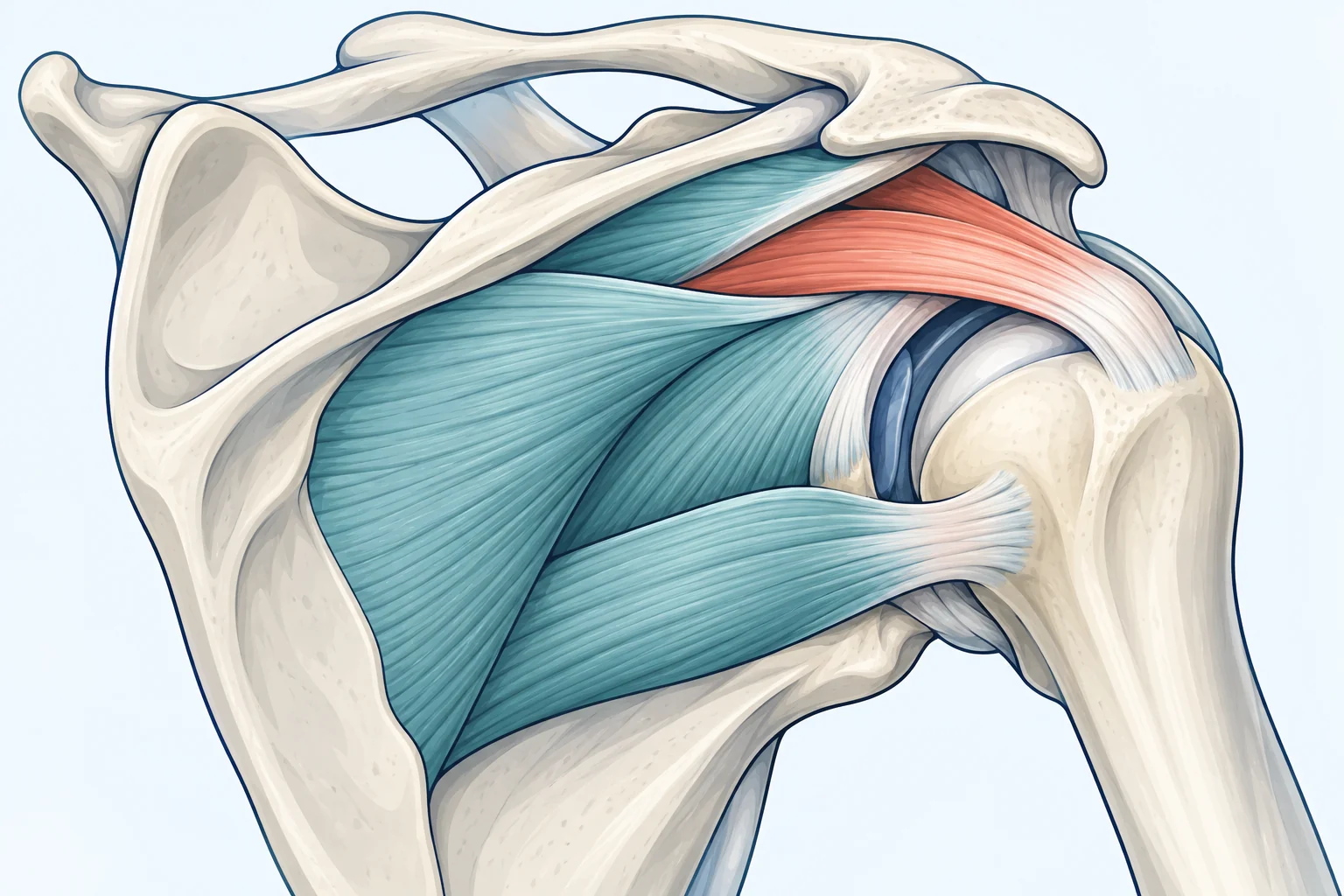
What shoulder pain can involve
The shoulder includes joints, tendons, muscles and other structures. Pain may relate to rotator cuff tendinopathy, a partial-thickness tear, arthritis, injury, referred symptoms or another cause. The term “rotator cuff” does not establish a diagnosis, and not every painful shoulder is torn.
A scan is considered with your symptoms, examination and daily function rather than interpreted on its own.
Recovery and reassessment
Shoulder symptoms and function change at different rates. Exercise or activity may need adjustment; there is no guaranteed outcome, timeline or visit count. Follow-up can review sleep, reaching, strength and your goals.
If function declines, symptoms change or the plan is not helping, reassessment can guide next steps. Imaging needs clinical interpretation, and medical review may be appropriate.
Symptoms and tasks that may be limited
Reaching, lifting, dressing, washing your hair or reaching behind your back may hurt, particularly at night or after an activity change. Weakness or lost movement has several possible explanations and needs assessment after a fall or sudden injury.
Describe which movements are difficult and whether the shoulder feels unstable. A scan may show changes that do not explain symptoms; findings are considered with your history and examination.
Factors that may contribute
More lifting or overhead work, sport, a fall, age-related tissue changes or another health condition may be relevant. Current load can also exceed what the shoulder tolerates, without meaning it is fragile or one posture caused the pain.
A physiotherapist considers movement, strength, sensitivity, function and medical history. There is no single perfect shoulder position, and a painful scan finding does not automatically predict what you can do. When symptoms do not fit a musculoskeletal pattern, further assessment may be needed.
How individualized physiotherapy may help
An assessment may include your activity and injury history, comfortable shoulder and neck movement, strength, functional tasks and relevant screening. We would ask about the speed of onset, trauma, night symptoms, arm sensation and your priorities. The assessment helps decide whether physiotherapy is appropriate or whether another provider should first assess the shoulder.
If suitable, care may include education, activity or load adjustments, progressive shoulder exercises and practice of reaching or lifting tasks. The exercise plan is selected to your presentation and response rather than using a universal dose. Manual therapy can be an optional adjunct in some cases, but it is not required and should not be presented as a cure.
What a shoulder home visit can include
At home, we can discuss relevant tasks such as putting on a coat, reaching a cupboard, carrying a light object or using a work area. A visit uses a safe space and ordinary furniture where appropriate; it does not require a gym or special equipment. If the task cannot be assessed safely in your home, we can choose another approach.
Some care may be possible virtually when appropriate; you must be physically in Ontario during the video appointment.
When to seek medical assessment
After a significant injury, sudden inability to raise the arm, severe swelling or concern about a fracture needs prompt medical assessment. A suspected dislocation needs emergency assessment; do not attempt to reposition the shoulder yourself. A red, hot joint with fever or feeling unwell also needs urgent review. Chest pain, breathing difficulty or sudden neurological symptoms require emergency care.
Sudden injury, loss of function or symptoms that do not fit a musculoskeletal pattern may need medical or specialist assessment. A clinician can consider whether imaging would change care.
Questions about shoulder pain and rotator cuff problems
Does shoulder pain mean I have a rotator cuff tear?
No. Shoulder pain has several possible causes. A clinician combines your history and examination; an imaging finding alone may not explain symptoms.
Can physiotherapy help if a scan shows a tear?
It may be one option, depending on the tear, symptoms, function and your goals. A clinician can discuss rehabilitation alongside other choices and whether specialist advice is appropriate.
Do I need a scan before physiotherapy?
Not necessarily. A medical clinician decides whether imaging is appropriate and likely to change care. A sudden injury or loss of function may need prompt assessment.
Can physiotherapy include exercises for reaching?
If assessment indicates it is appropriate, a plan may include progressive strength or movement practice linked to tasks such as dressing, reaching or lifting.
Can I have an assessment at home?
A home visit may be available in the regular service area, with other listed GTA areas depending on location and scheduling. The specific address is confirmed before a visit.
Further information
Discuss service fit and next steps
The free call covers area, availability, fees and booking. It is not an assessment, diagnosis or treatment session.