Neck pain, stiffness and daily activities
Home physiotherapy may help you work on head turning, sleep or screen tasks through an individualized assessment and movement plan. Home visits in Toronto and select GTA communities.
Book a Free Call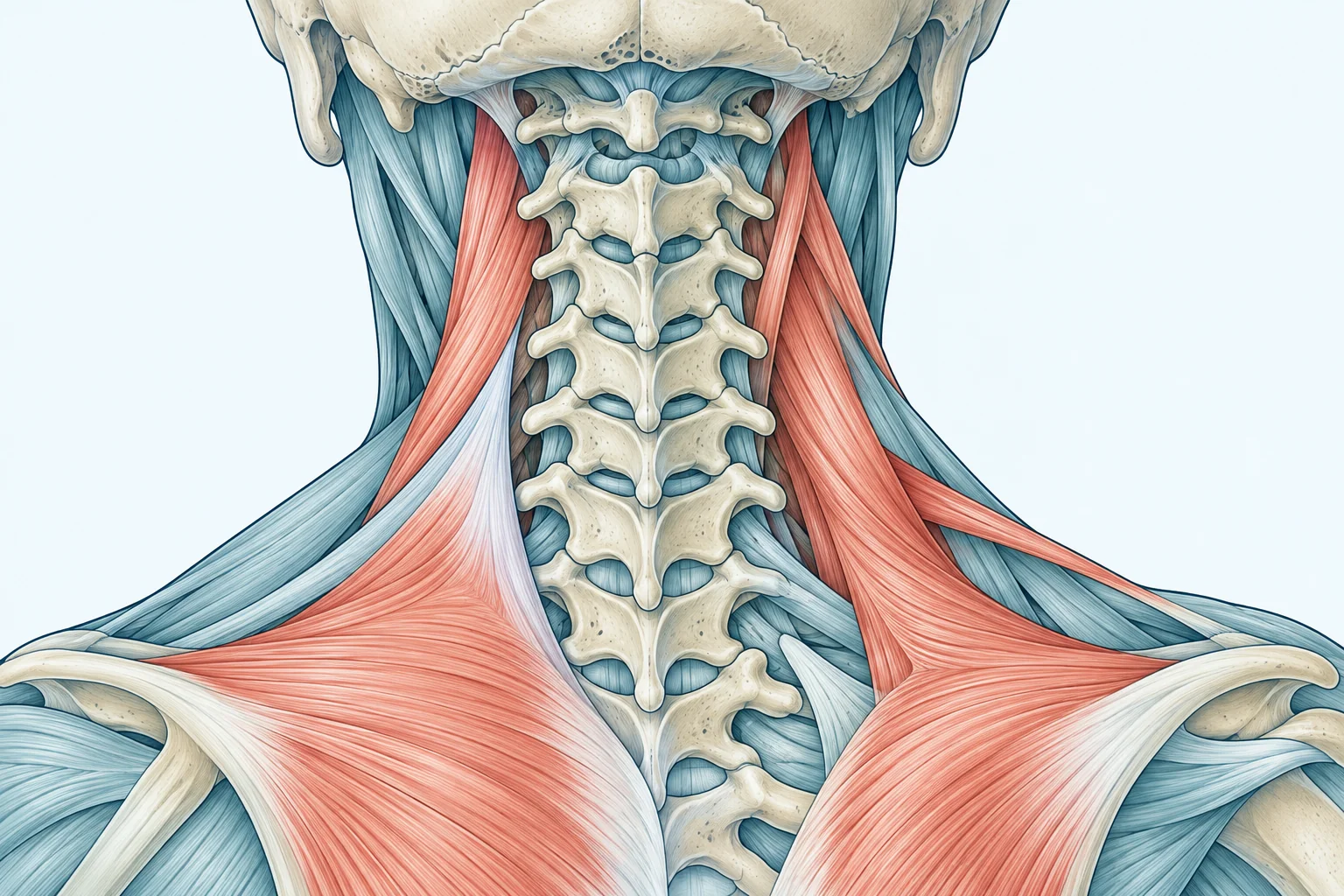
Understanding neck pain
Neck pain describes discomfort between the base of the skull and upper back. It may spread toward a shoulder or occur with headache or arm symptoms; a headache is not automatically caused by the neck.
Assessment considers onset, course, health and affected tasks. Imaging is not routine for every person, and a scan or posture photograph alone does not identify the cause or dictate care.
When to seek medical assessment
A sudden, severe and unusual headache, signs of stroke, serious neck trauma, or fever with severe neck stiffness requires urgent or emergency medical assessment. New or worsening arm weakness, numbness, coordination changes, or symptoms that are rapidly progressing should be reviewed promptly.
If neck pain is accompanied by chest pain, shortness of breath, collapse or another emergency symptom, call emergency services. A non-clinical free call about service fit must never delay urgent medical care.
Symptoms and tasks that may change
Stiffness, aching or difficulty turning your head may affect looking over a shoulder, reading, sleeping, reaching or workstation tasks. Arm tingling, numbness or weakness also needs assessment.
Symptoms may vary with movement, sleep or other health factors. Care does not force one neck position; assessment considers your current function, goals and need for medical review.
Factors that can shape neck symptoms
Changes in work, activity, an accident, stress, sleep or a medical condition may be relevant; sometimes no trigger is clear. Strength, flexibility and movement can be assessed, but weakness or posture is not a universal cause.
There is no requirement to maintain one “perfect” posture or to have your neck manipulated. People move and work in different positions. Advice should focus on options that make daily tasks manageable, with changes that fit your work, home and preferences.
How individualized physiotherapy may help
An assessment may include a discussion of symptom behavior, medical history, work and home activities, comfortable neck and shoulder movement, and a neurological screen when appropriate. We would also ask about trauma, headache features, fever or changes in arm function. If the findings suggest that medical review is needed, that takes priority.
If physiotherapy is appropriate, care may include education, movement practice, gradual neck or shoulder strengthening, mobility work, and adjustments to specific tasks. Manual therapy can be discussed as an optional adjunct for some people; it is not mandatory and does not replace active care or clinical reasoning. Exercises are selected and progressed for the individual rather than from a one-size-fits-all routine.
Recovery and reassessment
Neck symptoms can change differently from person to person. A plan should not promise a fixed date or number of visits. Follow-up can review sleep, head turning, work, arm symptoms and your response to the plan.
If new symptoms develop, your function declines, or the original plan is not addressing your priorities, reassessment is useful. Contact a physician or another appropriate provider for symptoms outside physiotherapy scope or when medical investigation may be needed.
Questions about neck pain and stiffness
Is there one correct posture for neck pain?
No. One posture is not a universal cause or solution. A clinician can help you find comfortable options and adjust tasks that matter to you.
Can physiotherapy help with a headache?
Some headaches can occur alongside neck symptoms, but not all headaches come from the neck. A sudden, severe, unusual headache or neurological signs need urgent medical assessment.
Will I need neck manipulation?
No. Manipulation is not required. If appropriate, a clinician can discuss options, risks and alternatives; exercise, education and activity planning may be considered instead or alongside an optional manual approach.
Do I need an X-ray or MRI first?
Not in every case. A medical clinician decides whether imaging is appropriate based on history and examination and whether the result could change care.
Can my workstation be discussed at home or by video?
Yes, if workstation tasks are relevant. Video care is only available when you are physically in Ontario during the appointment and the setup can be assessed adequately.
Further information
Discuss service fit and next steps
The free call covers area, availability, fees and booking. It is not an assessment, diagnosis or treatment session.