
Knee osteoarthritis and everyday movement
Physiotherapy may help you build capacity for walking, stairs and chair rises through individualized exercise, task practice and activity planning. Home visits in Toronto and select GTA communities.
Book a Free Call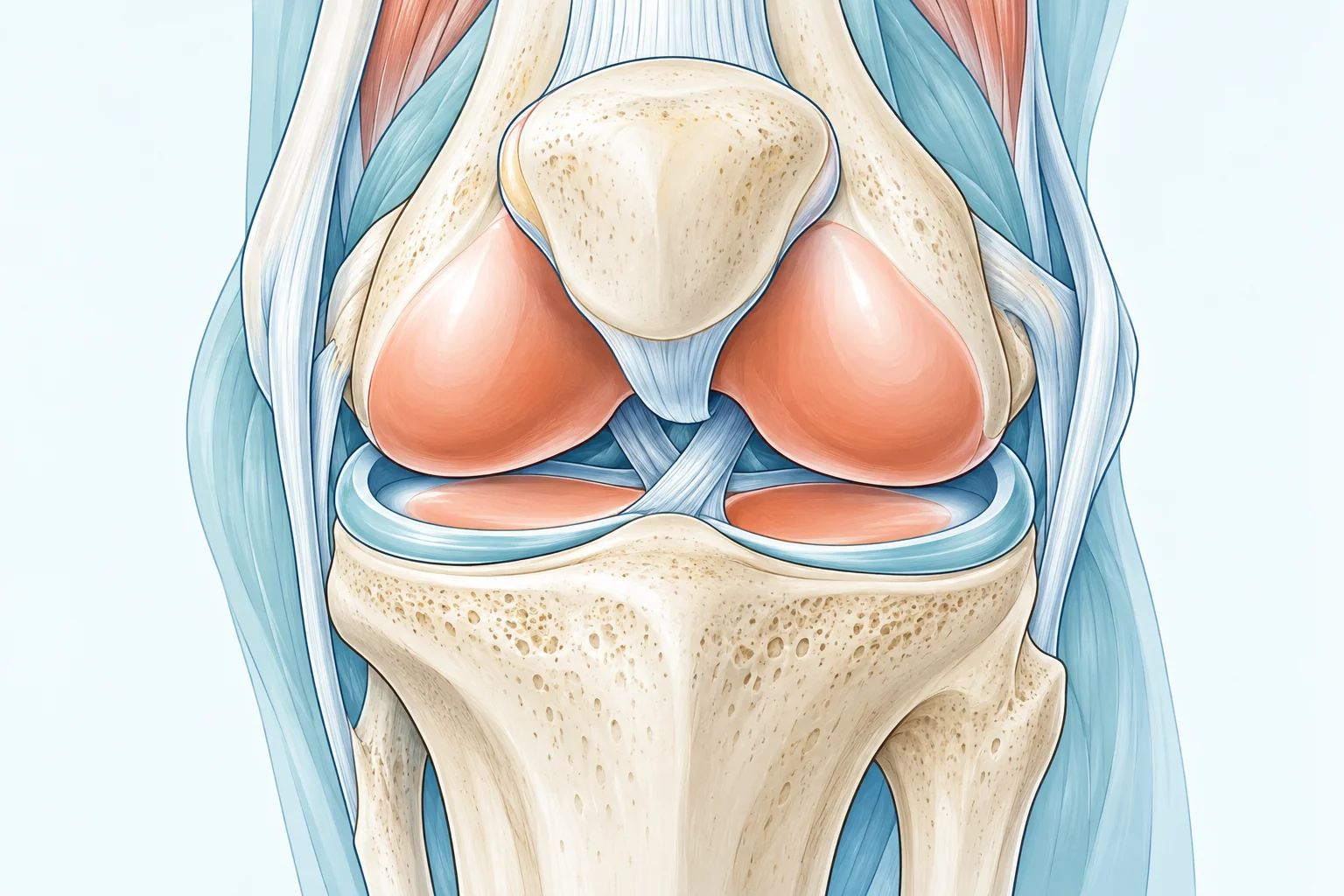
What knee osteoarthritis means
Osteoarthritis is a condition involving the whole joint, including cartilage, bone, the joint lining and nearby tissues. It is not an inevitable sign that a knee has worn out, and the word does not mean that movement is harmful or that nothing can help.
An X-ray or MRI may show structural changes, but the image and your pain or daily function do not always match closely. Assessment considers your symptoms, health, examination and goals rather than using a scan alone to explain what you can do.
What a knee home visit can look like
A home visit can focus on the route you actually walk, the stairs you use, or getting up from your usual chair, provided the task is safe to assess. We can use available furniture and clear floor space instead of assuming you have a gym or special equipment.
Condos and retirement residences also depend on access and your needs.
When to seek medical attention
New calf swelling on its own needs prompt medical assessment. New calf symptoms with chest pain or breathlessness need emergency care. A hot, newly swollen knee with fever or feeling unwell, traumatic loss of function, inability to bear weight, major swelling after injury or visible deformity also needs prompt review.
Emergency symptoms should not wait for a physiotherapy or booking call. The free call is non-clinical and covers service fit, availability, fees and booking; it cannot assess whether a new knee symptom is urgent.
Symptoms and activities that may change
A knee may feel sore, stiff or swollen, often after activity or following a period of rest. Walking, standing for a meal, using stairs, rising from a low chair or getting in and out of a vehicle can become more difficult. The pattern can vary from day to day.
Tell us what you can currently manage and what you want to keep doing. A change in pain does not automatically mean new joint damage. Sudden loss of function, a major change in swelling or a new symptom pattern deserves a closer look.
What can influence symptoms
Joint health, prior injury, age, general health, sleep, activity and the demands placed on a knee can all be relevant. Osteoarthritis does not have one single cause, and symptoms are not a simple measure of how much cartilage remains.
A long period of reduced activity can affect strength and confidence, while a sudden increase in walking or stairs may exceed what feels manageable. Neither observation means there is one faulty movement or that you must avoid using the knee.
How individualized physiotherapy may help
An assessment may include your history, walking, comfortable knee movement, strength, balance and tasks such as a chair rise or step. We would ask about swelling, falls, medical conditions and any recent injury. The assessment helps decide whether physiotherapy is appropriate or medical review should come first.
If suitable, a plan can combine understandable education, strength and mobility work, and gradual practice of activities that matter to you. Exercise is adapted to your health and response. Walking, chair rises and stairs may be practiced or modified; no exercise is claimed to regrow cartilage or reverse osteoarthritis.
Recovery and staying active
Osteoarthritis is a long-term joint condition, but its effect on function can change. There is no guaranteed improvement, fixed recovery date or single exercise dose. Follow-up can review walking, stairs, strength and your priorities, then adjust activity or recommend another clinical opinion.
A plan may also include pacing, rest breaks or changes to a specific task while you build capacity. If the knee becomes more painful or swollen, or your function changes unexpectedly, contact an appropriate clinician rather than assuming you need to push through.
Questions about knee osteoarthritis
Does osteoarthritis mean my knee is wearing out?
No. Osteoarthritis affects the whole joint and does not mean the knee is simply worn out or that movement should stop. A clinician can help you understand your symptoms and options.
Does an X-ray show how much pain I should have?
Not reliably. Imaging findings and symptoms can differ. A clinician considers your function, history and examination alongside any imaging.
Can exercise help with knee osteoarthritis?
Individualized strengthening and activity can support function for some people. The plan should fit your health, current ability and response; it does not rebuild cartilage.
Can a home visit include stairs or chair practice?
Yes, if those tasks matter to you and are safe to assess. The visit can use your own home setup and available furniture.
When should a swollen knee or calf be checked?
A hot swollen knee with fever, major injury or sudden loss of function needs prompt review. New calf swelling needs prompt assessment; with chest pain or breathlessness, seek emergency care.
Further information
Discuss service fit and next steps
The free call covers area, availability, fees and booking. It is not an assessment, diagnosis or treatment session.