
Kneecap pain and runner’s knee
Home physiotherapy may help you plan stairs, chair rises or activity with individualized knee exercise and supportive hip work when appropriate. Home visits in Toronto and select GTA communities.
Book a Free Call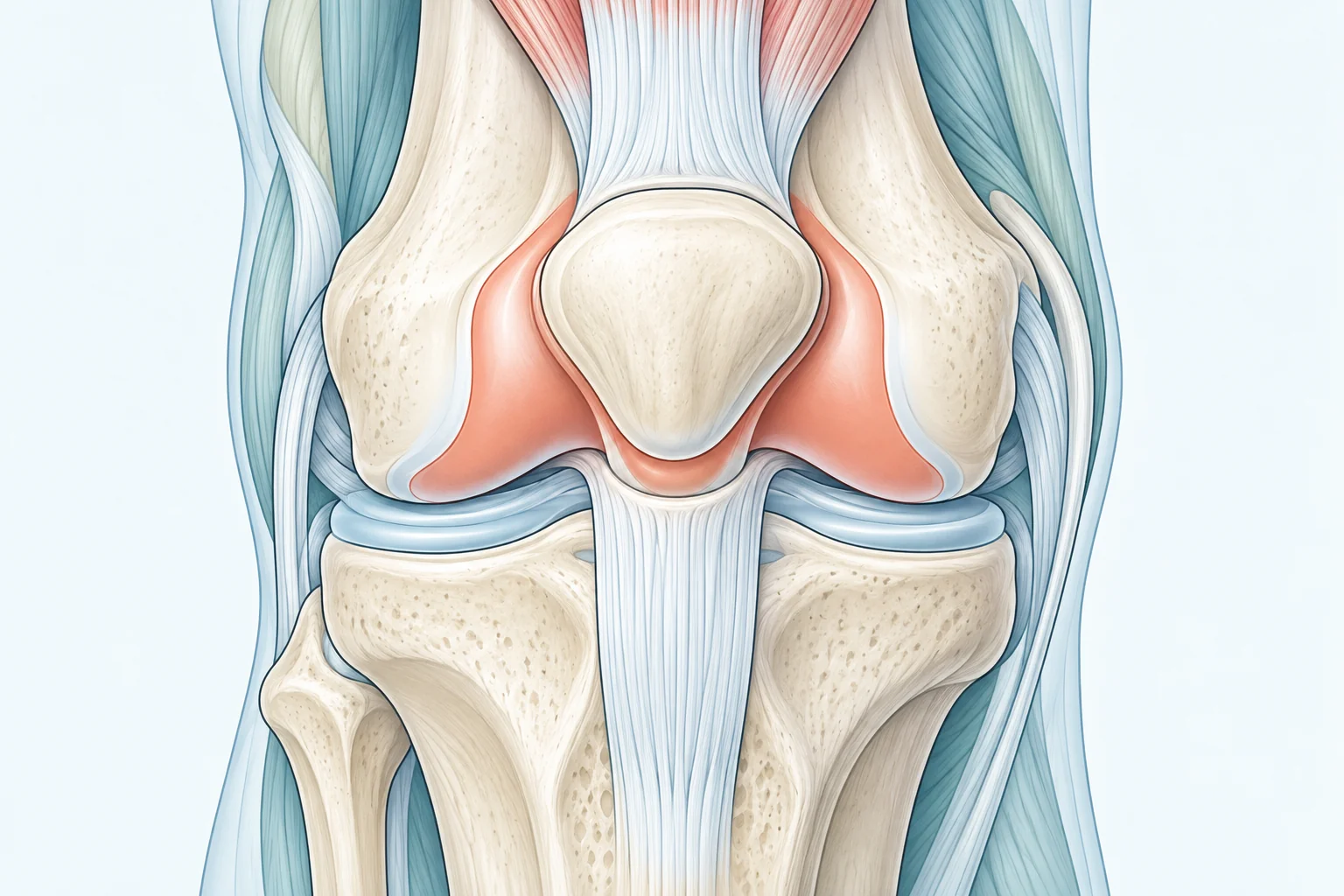
What patellofemoral pain describes
Patellofemoral pain is commonly used for pain around or behind the kneecap that is aggravated by tasks such as stairs, squatting, running or prolonged sitting. It describes a symptom pattern, not proof that cartilage is damaged or that the kneecap tracks incorrectly.
“Runner’s knee” is an informal label and does not mean only runners experience it. Pain at the front of the knee can also come from other conditions, including tendon problems, arthritis, injury or referred symptoms. A clinical assessment considers the location, pattern and your health history.
Recovery and return to activity
Kneecap pain can respond differently from one person to another. Progress may involve adjusting activity, building capacity and returning gradually to tasks that matter. There is no fixed recovery date or guaranteed outcome. Follow-up can check how stairs, running or other chosen tasks feel and adjust the plan.
If symptoms worsen, swelling appears, the knee becomes unstable or the expected pattern changes, reassessment is appropriate. A clinician can consider whether medical assessment or imaging is needed; an online description cannot diagnose cartilage, tendon or ligament damage.
Symptoms and everyday tasks
You may notice discomfort with descending stairs, repeated sit-to-stand, squatting, kneeling, running or staying seated for a long time. Symptoms can occur during activity or afterward and may change with the amount of loading. Swelling, locking, giving way after trauma or inability to bear weight may suggest that further assessment is needed.
Tell the clinician which activities you want to return to, what you currently manage, how training or work has changed and whether there was a sudden injury. A description such as “pain under the kneecap” helps guide assessment but does not identify the cause by itself.
What can influence kneecap symptoms
A change in running distance, hills, sport, stairs, gym activity or general workload may be relevant. Recovery time, sleep, previous knee problems and other health factors may also affect how the knee responds. No single alignment, muscle weakness or tracking explanation fits everyone.
A change in activity may affect symptoms, but it does not prove that the kneecap is damaged or out of place. Assessment considers your current ability, goals and response before choosing exercise or activity changes.
How individualized physiotherapy may help
An assessment may include symptom history, swelling, knee and hip movement, strength, balance and tasks such as a step or chair rise. We would consider whether the pattern fits patellofemoral pain or another condition and whether referral is appropriate. The assessment is adapted to your current ability rather than requiring a painful test.
If suitable, a plan may include clear education, knee-focused strengthening, supportive hip work where indicated, graded activity and planning for work, stairs or sport. Exercise selection and progression depend on your findings and response. Manual therapy is not a required treatment, and no universal exercise dose is appropriate for every person.
When to seek medical assessment
A truly locked knee, major swelling after injury, inability to bear weight after trauma, visible deformity, fever with a hot joint or rapidly increasing pain needs prompt medical review. A serious injury or sudden loss of function may require urgent or emergency care.
Persistent pain that is not behaving as expected, or symptoms with significant swelling or systemic illness, should be reviewed by an appropriate clinician. A free practice call is non-clinical and should not delay medical care.
Questions about kneecap pain / runner’s knee
Does kneecap pain mean my cartilage is damaged?
No. Pain around the kneecap does not prove cartilage damage. Assessment considers symptoms, function and other possible causes.
Is runner’s knee only a running injury?
No. The phrase is commonly used for patellofemoral pain, which may also affect people who do not run.
Is poor tracking or alignment the cause?
Not universally. A clinician may assess movement and strength, but pain should not be explained by one assumed alignment fault.
What exercise is used for patellofemoral pain?
Exercise is selected for your symptoms, current ability and goals. A plan may focus on knee strength and include hip work when appropriate, with changes based on your response.
When should knee pain be checked urgently?
True locking, major swelling, inability to bear weight after injury, deformity, or fever with a hot joint needs prompt medical review.
Further information
Discuss service fit and next steps
The free call covers area, availability, fees and booking. It is not an assessment, diagnosis or treatment session.