Rehabilitation after a fracture
After medical assessment, physiotherapy may help you practise transfers, walking or other daily tasks within your fracture-care instructions. Home visits in Toronto and select GTA communities.
Book a Free Call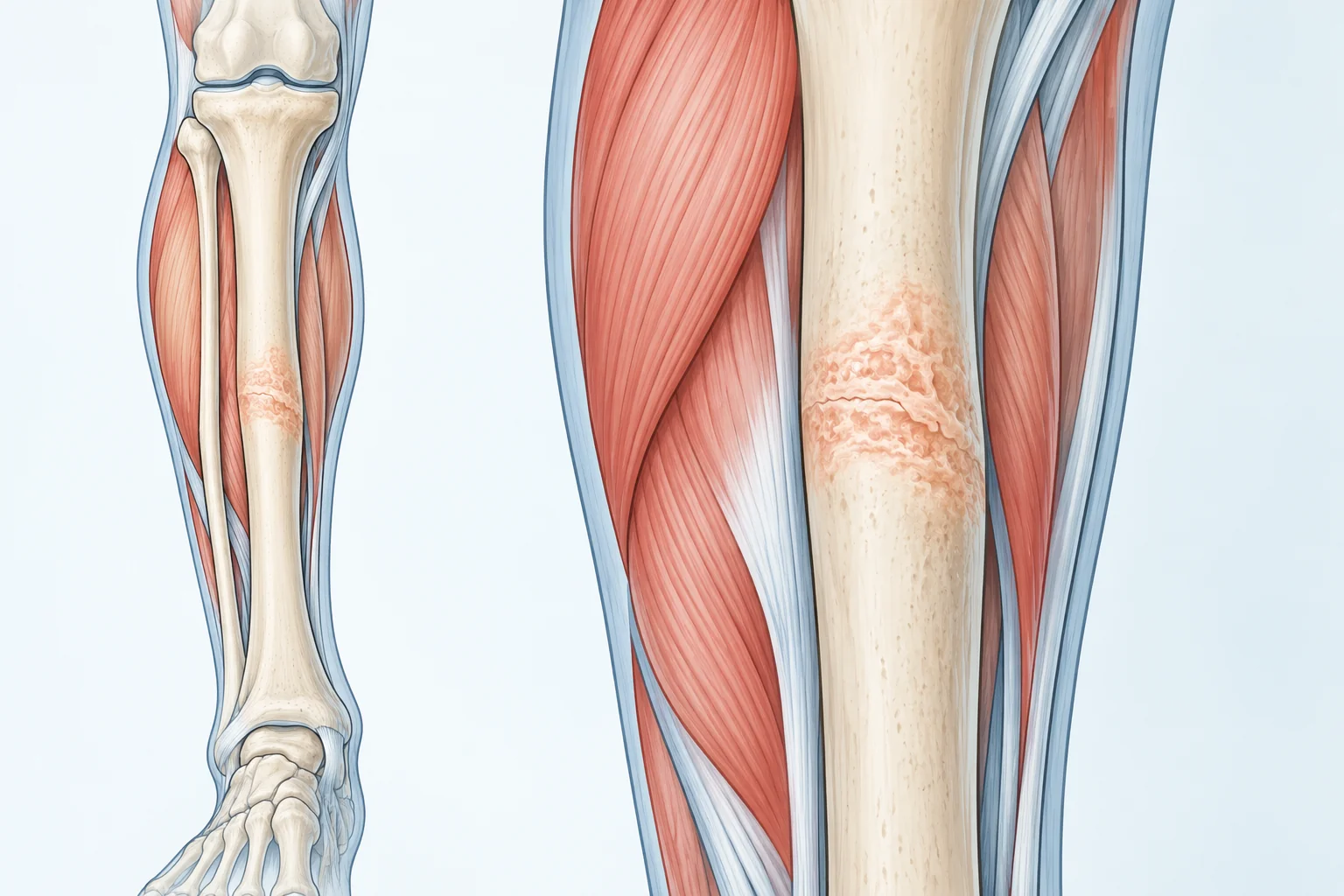
What post-fracture rehabilitation involves
A fracture is a break in bone that needs appropriate medical assessment and a plan for healing. Physiotherapy may support function during recovery, but it does not diagnose an unassessed fracture or determine when bone healing is complete.
Restrictions vary by fracture site, severity, treatment and healing progress. Instructions may cover weight-bearing, range of motion, lifting, splints or follow-up imaging. There is no generic six-week clearance that applies to every fracture.
How symptoms can affect daily activities
Pain, swelling, stiffness, weakness or reduced confidence may affect transfers, walking, stairs, dressing, bathing or hand tasks depending on the injured area. A cast, boot, sling or mobility aid can change how you manage a home routine.
The injury location and current restrictions guide what is safe to consider. Tell us what the treating team has advised, what support you use, and which tasks are difficult. New or worsening symptoms may need medical review before a planned exercise visit.
A home visit for your usual environment
A visit can consider getting in and out of bed, transfers, indoor walking, stairs or hand tasks, depending on the fracture and your instructions. We can discuss available aids, furniture and routes without assuming a task is safe simply because it is done at home.
Condos and retirement residences also require safe access and a suitable visit plan.
When to seek medical attention
A suddenly cold, blue or discoloured limb with loss of circulation or sensation, or rapidly escalating severe pain, needs emergency assessment. Wound drainage or infection signs and new calf swelling on their own need prompt medical assessment. Chest pain or breathlessness is an emergency.
Do not wait for a free call if urgent symptoms are present. The call is non-clinical and covers service fit, location, availability, fees and booking; it does not assess fracture healing or change medical restrictions.
Factors that shape the plan
Fracture type, treatment, healing status, other health conditions, fall risk, pain and the demands of home life all matter. A fracture after major trauma may involve other injuries or rehabilitation needs that require coordination with the treating team.
Your treating physician or surgeon’s instructions take priority. We will work within those restrictions and will not independently clear weight-bearing or other restricted activity.
How individualized physiotherapy may help
An assessment may review the medical plan, current mobility, safe transfers, strength and the tasks you need to manage. We would confirm restrictions before progressing activity and ask whether your treating clinician has cleared the proposed movement or loading.
When appropriate, care may include education, movement within allowed limits, strength or balance work, and practice for daily tasks. The focus depends on the fracture site and stage of recovery. If you need a service beyond home physiotherapy or a different clinical team, that should be discussed.
Healing, recovery and follow-up
Bone healing and functional recovery vary. The timeline depends on the fracture, treatment, health and medical follow-up; no website can promise clearance at a particular week. Keep scheduled reviews and ask your treating team when restrictions change.
Follow-up physiotherapy can adjust movement and task practice when new instructions are provided. If pain becomes severe, function worsens or you are unsure whether a restriction still applies, contact the clinician managing the fracture before changing your activity.
Questions about post-fracture rehabilitation
Can physiotherapy clear me to put weight on the fracture?
Follow the instructions from the clinician managing the fracture. A physiotherapy visit does not replace medical clearance or change a weight-bearing restriction.
Is there a standard six-week recovery rule?
No. Healing and restrictions vary by fracture, treatment and person. The treating team determines when activity can change.
Can a home visit help with stairs or transfers?
It may, if the task is safe and fits your restrictions. The visit can consider your home setup and any prescribed aids.
Is this the same as joint replacement rehabilitation?
No. Joint replacement recovery has its own pathway and restrictions; use the existing post-surgical service information and your surgical team’s guidance.
What symptoms need urgent attention?
A suddenly cold, blue or discoloured limb with circulation or sensation loss, rapidly escalating severe pain, chest pain or breathlessness needs emergency assessment. Wound infection signs or new calf swelling need prompt assessment.
Further information
Discuss service fit and next steps
The free call covers area, availability, fees and booking. It is not an assessment, diagnosis or treatment session.