Low back pain and everyday movement
Home physiotherapy may help you work on bending, walking and household tasks through an assessment and movement plan shaped to your goals. Home visits in Toronto and select GTA communities.
Book a Free Call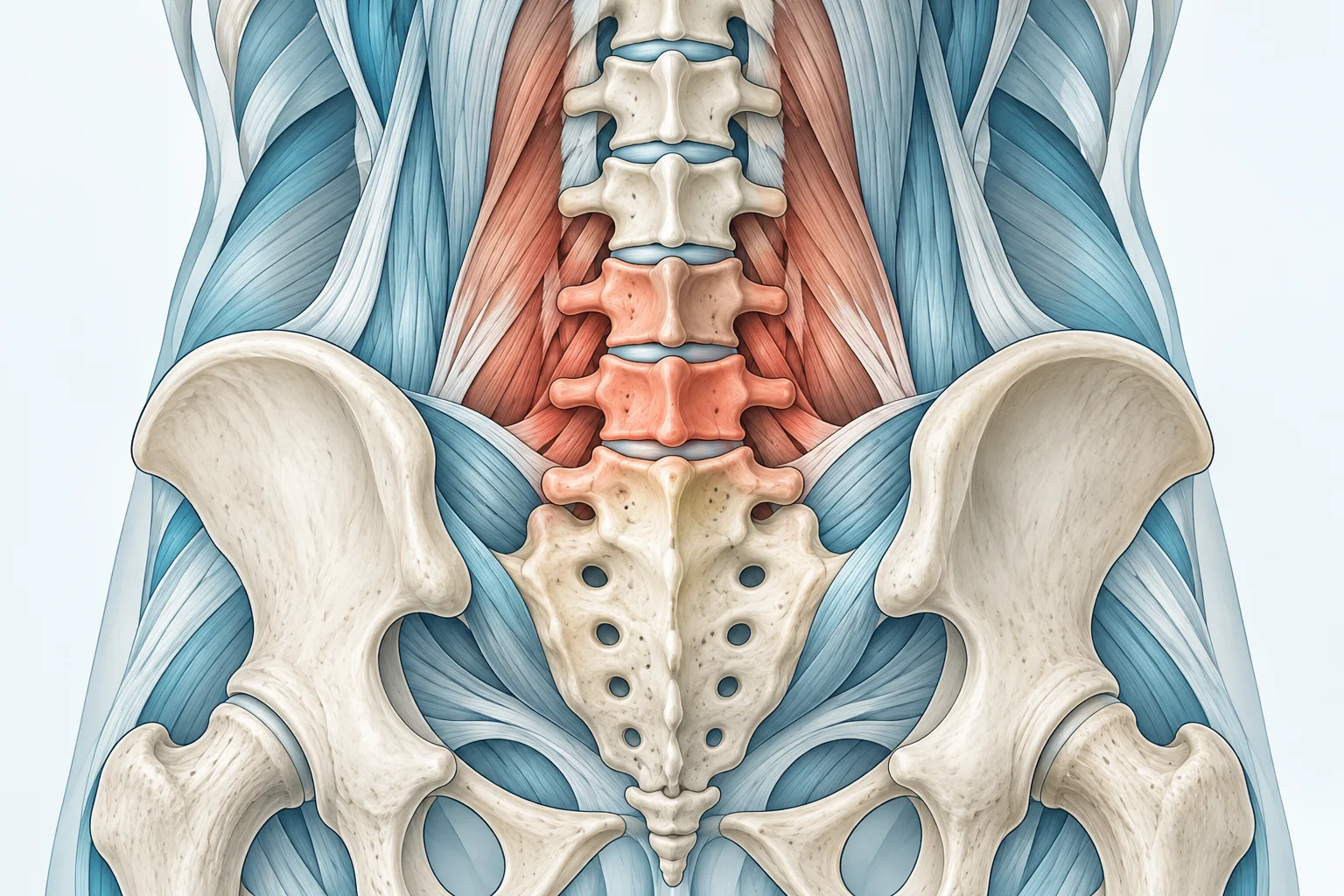
What low back pain can mean
Low back pain describes discomfort around the lower back, sometimes felt into a buttock. “Slipped disc” is an informal phrase for disc changes, not a disc moving out of place. Scan findings can also occur without pain, so an image alone does not explain symptoms.
A single tissue cause is often not identified. A physiotherapist considers your history, movement, health and goals. This page is general information, not a diagnosis.
When to seek medical care
Seek emergency assessment for new difficulty starting urination or inability to pass urine, new loss of bladder or bowel control, numbness around the saddle area (the inner thighs, genitals or skin around the anus), or rapidly worsening neurological symptoms. Progressive leg weakness or new foot drop needs prompt medical review. Major trauma, fever with back pain or feeling seriously unwell also needs urgent advice.
Imaging is not routinely needed for every episode of back pain; a medical clinician can decide whether imaging or other tests are likely to change care. A physiotherapy assessment is not a substitute for emergency or medical evaluation when warning signs are present.
Tasks and symptoms that may be affected
Aching, sharp or stiff sensations may vary during the day. Bending to dress, turning in bed, lifting groceries, sitting at work, cooking or walking may feel harder. A temporary change in function does not by itself show that your back is damaged.
Symptoms can stay local or travel into a buttock. Leg pain, tingling, numbness or weakness needs assessment; it is not automatically sciatica. Describe what changes symptoms and report new sensory or strength changes.
Why symptoms can vary
A change in lifting or activity, time in one position, sleep, stress, a past episode or another health condition may be relevant; sometimes there is no clear trigger. These factors may affect what feels manageable without establishing one cause.
Posture, core strength or alignment are not universal explanations. People use many comfortable positions. Assessment looks for safe options without labelling one normal way to sit, stand or bend as the cause.
How individualized physiotherapy may help
We would ask about symptom onset, health, work and home tasks, and warning signs. With your consent, an examination may include comfortable movement, strength or sensation checks, and tasks related to your goals. Findings help decide whether physiotherapy or another medical assessment should come first.
If suitable, care may include education, activity within your tolerance, gradual strength or mobility work, and practice of tasks that matter to you. Loading is adjusted to your response. Manual therapy is an optional adjunct, not a required treatment or a promise of recovery.
What a home visit can include
A home appointment can make it possible to discuss the movements that matter in your own setting. Depending on your goals and the space available, we may look at getting out of a chair or bed, stairs, household carrying, walking inside or a place where you can exercise. You do not need to prepare a gym or buy special equipment.
Visits are subject to address availability and safe access.
Recovery and planning
Back pain has no predictable timetable. Symptoms can change, and returning to valued tasks may require adjustments. A plan reflects your health, work and home demands, and response—not a guaranteed number of visits or recovery date.
Follow-up reviews changes, activity and next steps. If symptoms change or progress is unexpected, reassessment can guide the plan or referral.
Questions about low back pain
Does low back pain mean I have a slipped disc?
No. “Slipped disc” is an informal phrase and does not establish a diagnosis. Disc changes may be present without symptoms, and a clinician considers your history and examination rather than relying on a phrase or scan alone.
Should I get an MRI before physiotherapy?
Not usually for every episode. Imaging decisions belong with an appropriate medical clinician and are considered when the result is likely to change management or when concerning features need investigation.
Will I need to stop bending or lifting?
Not automatically. We can discuss how to modify a task temporarily, then build activity around your tolerance and goals. Advice should be individualized rather than based on a universal ban.
Can a home visit look at stairs or chair transfers?
Yes, when those tasks relate to your goals and the home setting is safe to access. We can also discuss walking, bed mobility or household activities.
Can video physiotherapy be an option?
It may be suitable for some needs after discussion. You must be physically in Ontario during a virtual appointment, and an in-person or medical assessment may be more appropriate in some situations.
Further information
Discuss service fit and next steps
The free call covers area, availability, fees and booking. It is not an assessment, diagnosis or treatment session.